Since hitting the market in the late 1990s clear aligners have been the preferred orthodontic treatment for millions of patients around the world. More comfortable, flexible and discreet than traditional braces, from a patient’s perspective there are many enjoyable plus points. But this modern dentistry method has a drawback.
While clear aligner trays are great for straightening teeth, they’re not so great for the environment.
The big question: What should you do with old aligners?
When you’re excited about getting straight teeth, this question doesn’t naturally come up in pre-treatment consultations. But when a patient is a couple of trays into their treatment and the old ones are sitting uselessly in their bathroom, it starts to become an issue.
So should you throw your used clear aligners in the bin? Or should they be recycled? And if they can be recycled, which bin do they go into?
If your clear aligner treatment is happening in Australia, then sit tight. We’re about to answer those questions.
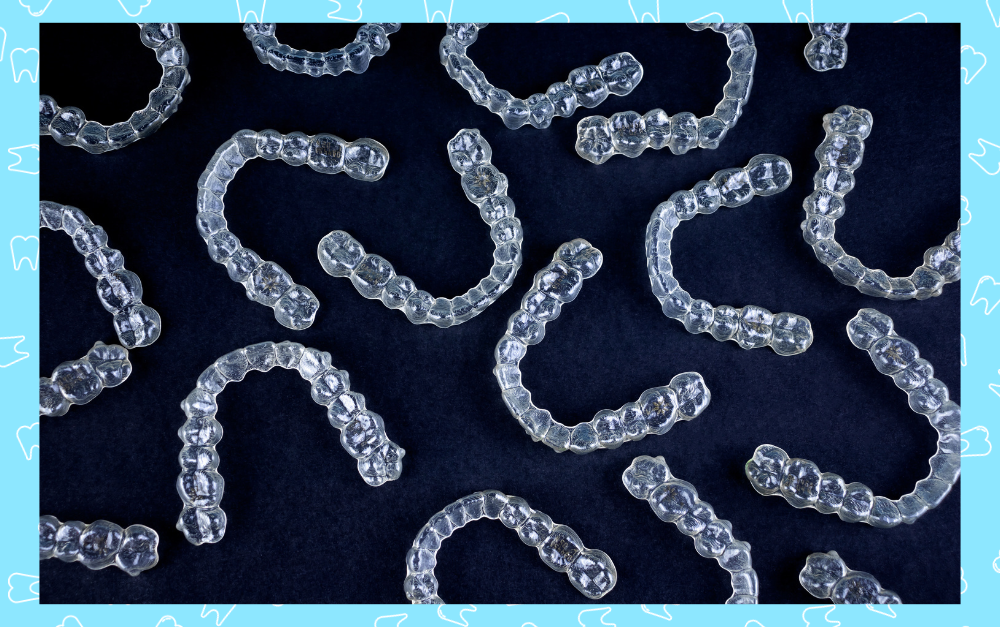
How to dispose of used trays isn’t so clear cut
Plastic items made from a single type of plastic are easy to recycle. Let’s use milk bottles as an example. They’re made only of high-density polyethylene. So when it comes to recycling, that one type of plastic can be cleaned, broken down (or whatever they do to it) and then remade into another milk bottle.
It’s the same deal with takeaway containers, ice cream tubs, and drink bottles. If those items are made from one single plastic, you can pop them into your kerbside recycling bin for easy sorting and reuse.
Clear aligners are not made of a single type of plastic. One tray is made using a mix of plastics— polyester, polyurethane and polypropylene, to be precise. The multi-layered plastic material is the first barrier to recycling clear aligners. The second barrier is that used aligners are classified as biohazard waste. Put these two challenges together and recycling becomes too much. (Too hard, too expensive, too risky.)
The result? Most clear aligners end up in one place.
Straight to landfill
Separating the plastics used in a multi-layered product for repurposing is a complicated process. This makes it difficult—but not impossible—to recycle them. (More on that in a moment.)
Recycling items labelled a biohazard comes with extra challenges.
Risk levels of biohazard clinical waste range from low to high. A small amount of saliva would be considered no risk or very low risk. But aligner trays are exposed to spit for up to two weeks. This increases the biohazard level.
Biohazard material is treated and disposed of differently, depending on what it is. But the goal is always to minimise any public health risk or environmental contamination. A lot of the time this means incinerating items.
Depending on its available resources, a dental practice might agree to dispose of aligners on behalf of their patients, tossing used aligner trays in the bin with the other biohazard waste to be destroyed. But this still relies on patients bringing the aligners back. And that doesn’t always happen. A lot of the time, patients will toss old aligners in their bin at home, which means a lot of plastic going to landfill.
Millions of trays buried in the ground
Let’s try and put some figures on how many bits of plastic are going to landfill as a result of this treatment.
Clear aligners first hit the market in 1997. Within a decade, they’d been used to treat 5 million people. Since then, growing evidence of their effectiveness has vastly increased patient demand for clear aligners. According to orthodontic industry research published in 2024, an estimated 728 million plastic models and aligners were being produced for more than 14 million patients. But that figure could be much higher.
For simple cases, a patient needs 7-20 trays. In more complex cases, that can rise to 25-50 for an 18-24 month treatment plan. We then need to budget for any changes in the plan—the need to produce an extra tray here or there to keep the treatment on course. This increases the number of clear aligners needed for a single treatment.
So how many clear aligners are going straight to landfill?
Well, we only have an estimate. And that figure stands at 25 million clear aligner trays being dumped in landfill each year. (Along with packaging materials, storage cases and covers.)
At this rate, by 2030 there will be around 100 million used clear aligner trays buried in the ground, with each tray taking at least 100 years to decompose. That’s a pretty sobering thought.
It’s time for clear aligners to get the sustainability treatment
Invisible braces revolutionised orthodontic treatment across the world. But its heavy waste rate doesn’t sit comfortably with many in the industry. And practitioners and brands are now working towards giving clear aligners a sustainability makeover.
It’s an effective treatment. It’s a popular treatment, but now it needs to be an eco-friendlier treatment. Increased recycling is the first step.
Recycling scheme launched in ANZ
Patients in Australia and New Zealand can now recycle their old clear aligner trays. This is a very new initiative that only launched in March 2026 thanks to a partnership between clear aligner brand Angel Aligner and international recycling and sustainability company TerraCycle. (They already recycle many oral health product packaging and medical supplies.)
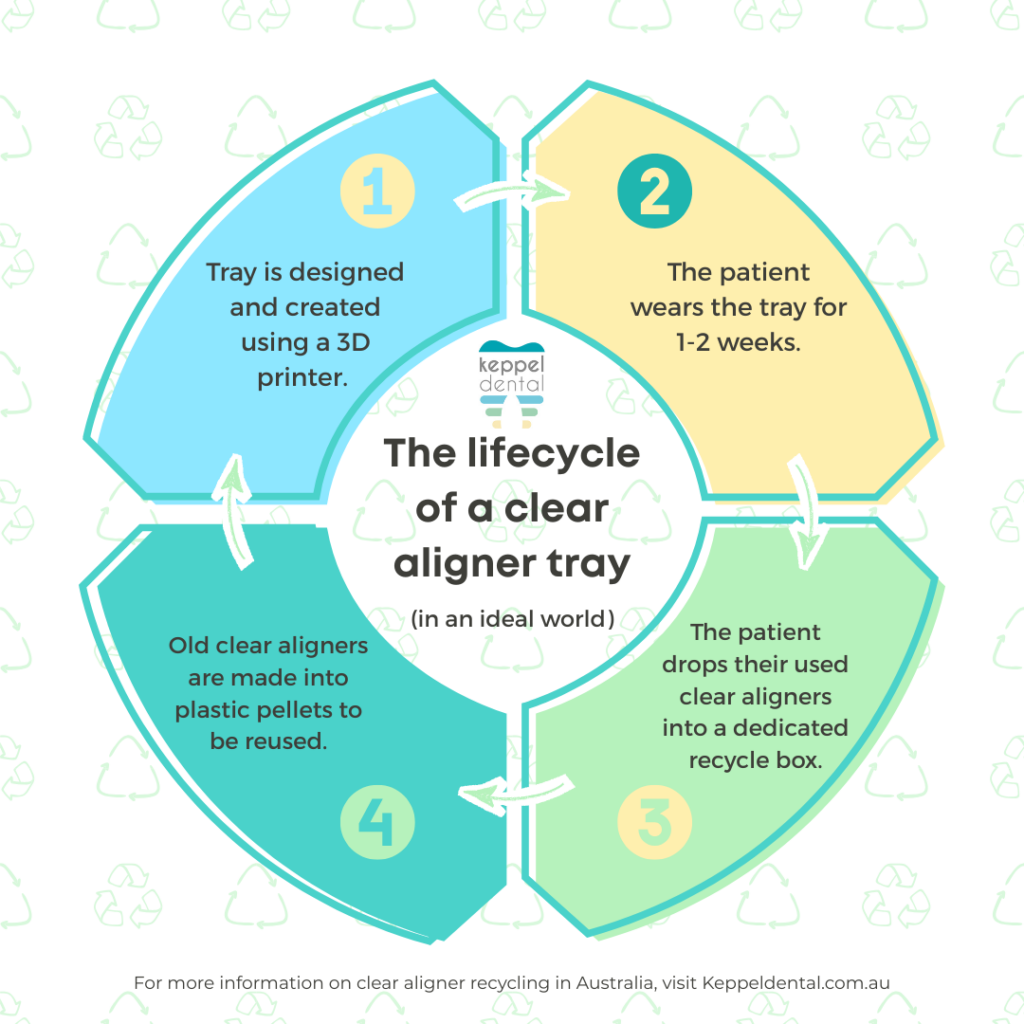
TerraCycle’s Zero Waste Box™ recycling solution is straightforward. Orthodontic and dental practices providing clear aligner treatment can order a collection box, costing a couple of hundred dollars. The collection boxes are placed in an easily accessible, highly visible area and patients can drop their aligners—of any brand or type into them.
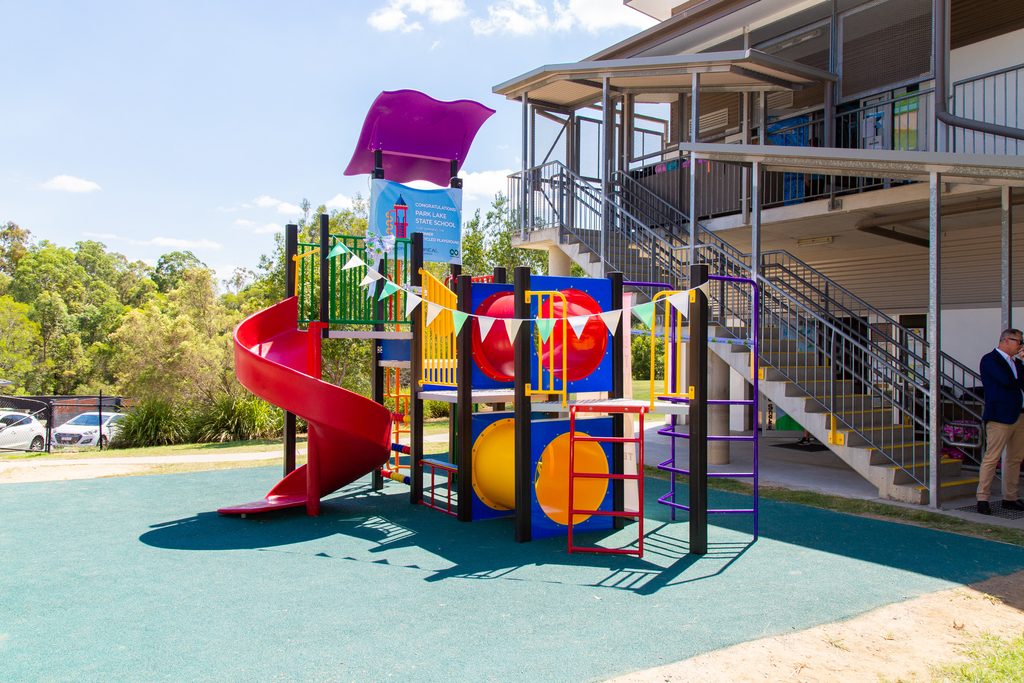
Full boxes are sent to TerraCycle where trays are recycled into plastic pellets. The pellets are used to make new products, such as outdoor furniture, playground equipment or construction plastic.
Aligners of the future
Recycling old aligners is a brilliant way to keep plastic out of landfill. But it’s not a perfect system. It still relies on fuel and energy for the recycling systems to work. It’s a positive step, but it’s not the long-term solution. So what’s the ultimate, sustainable answer?
Forward-thinking orthodontists and health innovators are looking for (and trialling) plastic-free clear aligner alternatives. The ideal solution is a biodegradable material that’s as strong as plastic,—so it’s still effective as an aligner—can be used for 3D printing, but breaks down naturally once the tray is no longer needed.
That’s a tall order, but it’s not impossible. GT Flex, Tera Harz and 3Dresyns are just a few of the bio-polymer companies working to create completely or partly biodegradable materials for effective and eco-friendly clear aligners.
Until then, what should you do with your old aligners?
For now, recycling is the best option. Once you’re done with them, give them a wash, let them dry, and bag them up. Find a participating dental practice with an Angel Aligner-TerraCycle Zero Waste Box to drop them in. (Find your closest one using TerraCycle’s interactive map.)
If a box isn’t an option, speak to the dentist or orthodontist that’s looking after you. Some clear aligner brands have their own sustainability process and partner with your dentist on responsible disposal of clear aligners. Just remember to raise the issue at your next appointment.
Recycle Your Aligners


