You recycle whatever you can. You contribute to the circular economy. And you make conscious decisions about where you shop and what you buy.
But have you ever wondered how sustainable your dental treatment is?
If you’re broadly eco-minded, then you might be interested to know a little more about sustainable dentistry and what you can do to make dental treatment more eco-friendly.
In this article you’ll find out:
- the impact the healthcare industry has on the planet
- which dental treatments cough out the most carbon
- what green and sustainable dentistry means and why change is coming
- the practical steps dentists and patients can take to reduce the industry’s carbon footprint.
Let’s start with a known truth and an uncomfortable side-effect.
Healthcare makes the planet unhealthy
The healthcare industry exists to help, protect and heal people. Achieving that aim comes with a cost: the health of the planet.
Data suggests that the global healthcare industry generates between 4.4% and 5.2% of the world’s CO2 emissions. That’s high. Particularly when the aviation industry—often thought to be the worst culprit for carbon emissions—churns out between 2% and 5%.
Healthcare evolution and innovation, the necessity of single-use items, stringent hygiene rules, and essential biohazard safety regulations create an unavoidable and sizable carbon footprint. Dentistry makes a significant contribution to that footprint.
Dentistry’s main carbon emitting culprits
Modern dentistry has progressed rapidly in the last 70 years. Our knowledge about caring for the mouth and the role oral health plays in overall health has exploded. But our industry’s uptake of new dental care practices and technologies has been slow. Particularly when you compare it to the much larger, speedier progression of hospital healthcare.
Some dental practices are still using methods and instruments that are no longer efficient. (Although in some cases, the older, inefficient dentistry methods are the only option.) So what are the main carbon emitting culprits in dentistry? And how are they contributing to the climate crisis?
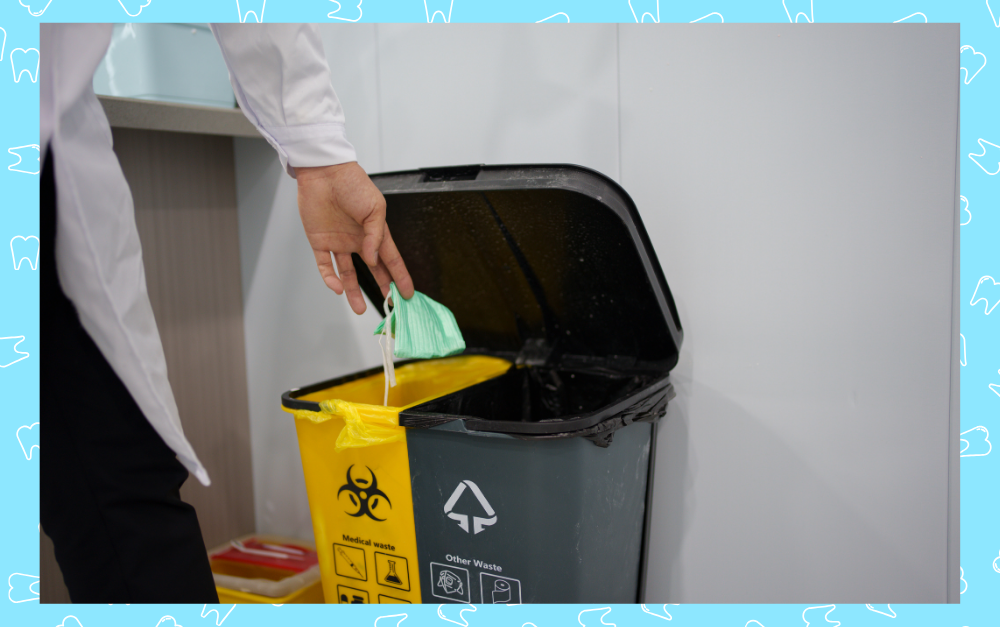
Single-use plastics
Gloves, packaging, patient bibs, syringes, plastic cups and single-use instruments—these are just some of the plastic items that a dental practice uses and discards every day.
One study found that an average of 21 plastic waste items are used for every procedure. And when you think a dentist or OHT may see 8-14 patients per day, that adds up.
Unfortunately (annoyingly), a lot of these plastic items can’t be recycled. Or if there is a scheme to recycle them, it can be difficult to access or expensive. This puts practices off.
Adelaide-based dentist Dr Jasper Lee is focused on promoting greener dentistry. He’s just one practitioner pushing the industry to catch up with larger, more efficient and sustainable hospital healthcare processes. But during his research to find solutions, Dr Lee told Bite Magazine, “I’ve sent some dental plastics for testing and, unfortunately, they aren’t recyclable with the current soft plastics set-ups.” And so single-use item recycling continues to be an issue.
Travel emissions and treatment time ratios
Travel is responsible for approximately 65% of carbon emissions from dentistry. Staff travel to work, patients travel to their appointments.
Simple appointments like a scale and clean may only take 5-10 minutes, and the treatment emissions are low, which is good. Conversely, the journey emissions for the patient to attend that appointment are high.
Poor stock management and waste disposal options
Overordering items with an expiry date leads to these instruments and products ending up in landfill or being incinerated. When it comes to disposing of this waste, limits on practice size and resources may leave them with few options. Straight to landfill or burning are the simplest (and fastest) solutions.
Slow uptake of modern equipment
Most modern dentistry equipment is built for efficiency and patient comfort, but the cost and size of these items are prohibitive for some practices. These barriers slow the uptake of technology and so practices continue to use processes that are resource and energy-heavy.
The evolution of dentistry technology presents another challenge. Updated instruments and new technology mean older items need to be safely disposed of, which can be difficult and costly.
Energy and water consumption
From lights to chairs, treatment instruments to computers, a dental practice uses a lot of energy. To give you an idea of how much, our own practice uses 4,000-6,000 kw per month.
We also consume hundreds of gallons of water daily to help with sterilisation, in-chair treatments and the milling of tooth prosthetics.
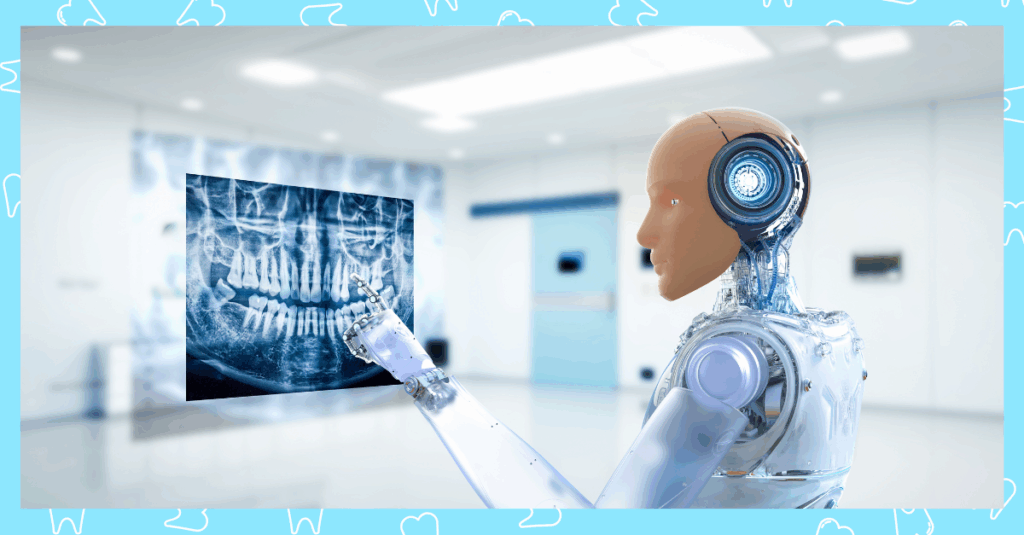
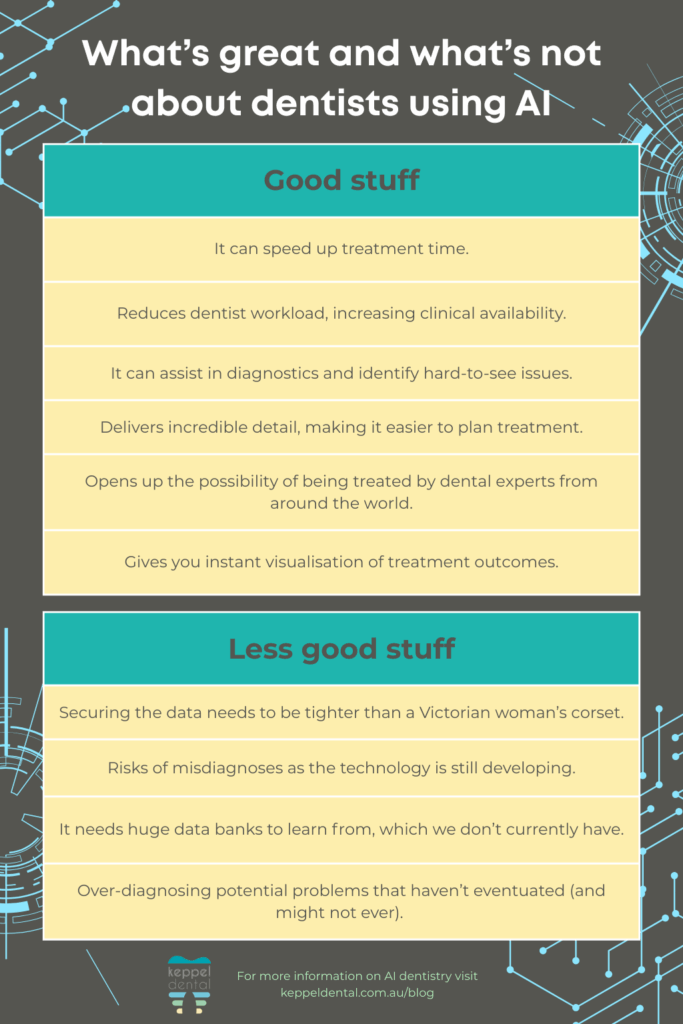
The energy and water consumption of AI assisted dentistry only increases those figures. AI dentistry is undoubtedly the future. But striking a balance between how those tools are used and the frequency with which they’re used must be balanced with environmental impact.
Treatments also turn up the heat
Every dental treatment emits carbon. But some contribute more CO2 than others.
The Federation Dentaire Internationale (FDI) World Dental Federation looked into the carbon footprint of common dental treatments.
For each of the following procedures, they found:
- the use of relative analgesia (laughing gas) produces 119 kg of CO2
- denture treatment produces 58-71 kg of carbon
- the completion of crown treatment creates 35-44 kg of greenhouse gas
- root canal treatment results in 23 kg of carbon.

To put these emissions in perspective, a 1 hour 15 minute flight (roughly Rockhampton to Brisbane) produces just 40 kg of CO2.
Personally, you may only ever have these treatments once or a handful of times. Individually, they seem quite small. But globally, these procedures happen thousands of times a day, creating a significant footprint.
Change starts from inside
We know that dentistry is a carbon contributor. The oral healthcare industry is responding to this uncomfortable reality by making a transformative shift towards sustainable dentistry. The move is so seismic, that sustainable dentistry is even being touted as a top dentistry trend for 2026.
Driven by respected and innovative individuals and organisations, dentistry is finding ways to help avert the climate crisis, reduce the carbon footprint and present patients with the option to seek treatment from a dentist whose environmental values match their own.
Positive promotion and support
To help dentists and their practices become greener, the FDI World Dental Federation have created (what they call) the Massive Open Online Course, on Sustainability in Dentistry Project. It includes information for patients and professionals about eco-friendly dentistry, as well as challenges that practices can complete to earn their green credentials.
Here in Australia, the Australian Dental Association (ADA) launched its own sustainable dentistry resource to support practitioners. Accessible to ADA members only, it has six modules covering where the Australian dental industry currently sits in terms of sustainability and practical steps to improve things.
Finally, there are green loan initiatives aimed directly at the healthcare sector. Perhaps you know from your experience of going green how costly the initial outlay for solar panels or an electric vehicle can be. These loan initiatives can make a big difference for small, rural practices as well as larger dental hospitals keen to make changes.
Active changes towards an eco-friendlier industry
Dentistry has the potential to be more sustainable. So what can individual practices actually do to realise this potential? And, more importantly, how does it affect patients?
Australian dental practices are being encouraged to embrace the following changes. And yep, some of these greener processes directly impact patients. (But in a positive way.)
Going digital
Digitising some patient care processes and treatments is an easy way to reduce emissions and waste.
Practices that go digital use:
- electronic forms and billing to reduce paper waste
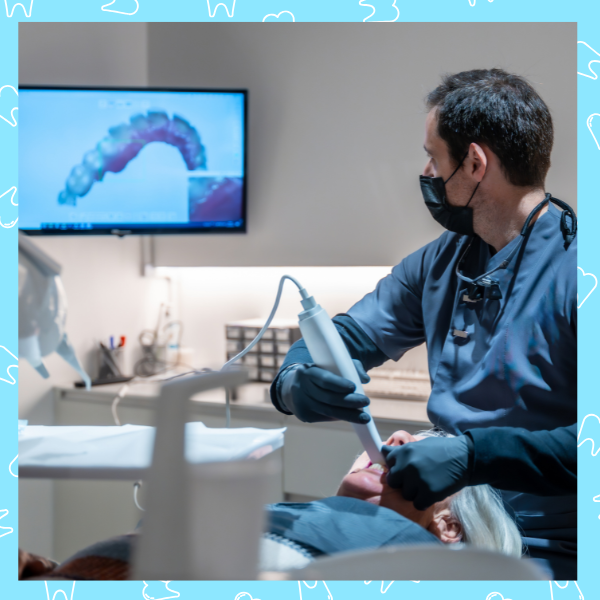
- digital oral scanners that take accurate images of the mouth
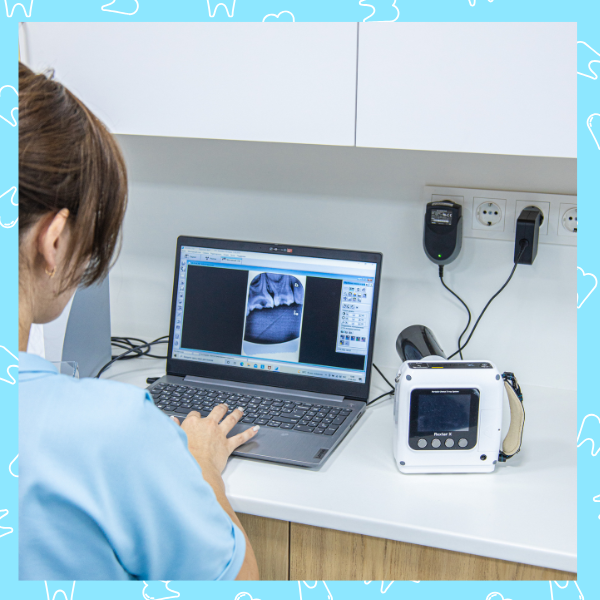
- digital x-rays that can be viewed on a screen, rather than using photographic film
- cloud-based storage for administration files and patient records rather than physical files
Reducing single-use plastics
Maintaining sterilisation standards is one of the biggest challenges to reducing the use of single-use plastics in dental care. But steps practices are being encouraged to take include:
- offering patients compostable rinse cups instead of plastic ones
- wiping down treatment room benches and other surfaces between patients, rather than using plastic wrap
- using reusable stainless-steel equipment such as large tips for suction devices and local anesthetic syringes that can be sterilised
- either selling or informing patients about eco-friendly dental products, such as bamboo toothbrushes and compostable floss picks.
Doing more on-site
CAD/CAM technology and 3D printers give practices greater flexibility to complete treatments on site. This reduces their carbon footprint by cutting down vehicle emissions from transporting work off-site.
[Image suggestion: Will request an image of the 3D printer at Keppel to place here – or we could embed the short video recently used on FB of their lab tech creating a crown/implant]
Adhering to amalgam best practices and waste management
Dental amalgam contains mercury. From 2024 any dental practice using amalgam for restorative dental treatment (namely fillings) must install chair-side traps and amalgam separators to stop mercury from entering and contaminating the environment.
While many modern practises are phasing out the use of amalgam in favour of more environmentally-friendly and body-friendly options such as composite fillings, practices that still use amalgam agree to:
- avoid using it for fillings in children or pregnant women
- only use it in a pre-dosed encapsulated form
- ensure any amalgam waste is collected by an Environmental Protection Agency licensed operator
- install amalgam separators in their practice to prevent mercury from entering public water or soil supplies.
Improved recycling options
Practices are encouraged to adopt as many recycling programs as they can. These range from having the correct bins in the staff break room, to joining specialist recycling programs for non-biohazard medical waste and items. TerraCycle and Sims Metal are examples of recycling organisations that can handle separating and sorting healthcare items such as gloves, masks, dental product packaging, disposable clothing and some oral healthcare instruments.
Supporting sustainable suppliers
By speaking with individual suppliers, practice owners can better understand where their products come from and how they’re made—everything from paper for the office to medical supplies such as gloves and dental implants. Increasing supply chain awareness helps practice managers and owners make informed decisions. And hopefully uncovers options to choose local suppliers or those that offer eco-friendly disposal of their products.
How patients can help
Integrating green and sustainable methods into the everyday running of a practice undoubtedly starts with the people who work there. But there is one other action Australian dentists are being encouraged to take to help lower emissions. And that’s increased patient education.
Because the best form of green dentistry is prevention. And both the FDI and the ADA acknowledge this.
If tackling the global climate crisis involves everyone pulling together, from a dentistry perspective, supporting patients to adopt better at-home oral health helps everyone play their part.
When you take care of your teeth, you may not need to see your dentist as often. And when you do see them for your check up, you’ll be less likely to need carbon-emitting treatments.
There are four ways you can help make the oral healthcare industry more sustainable.
- Keeping up a good oral hygiene routine and healthy lifestyle—minimising the need for resource-heavy treatment
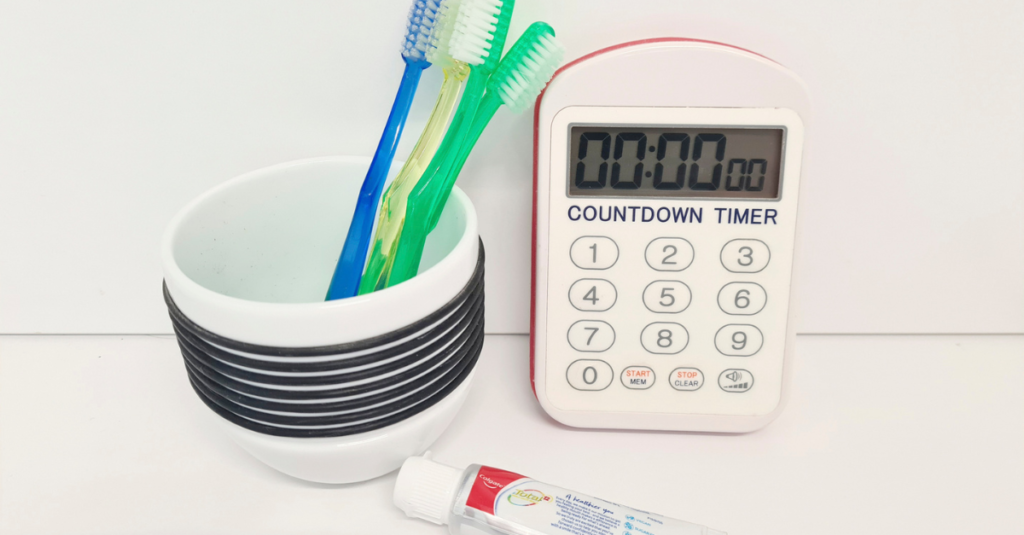
- Recycling or reusing oral hygiene products to keep them out of landfill (an old toothbrush for cleaning, a toothpaste tube for kids’ imagination play or crafting)
- If available and practical, arranging teledental calls rather than in-person appointments, decreasing the amount of practice cleaning and travel emissions
- Walk, cycle, scoot or use public transport to get to your dental appointment, rather than taking the car.
[Infographic #2 – Positive patient actions to support eco-dentistry]
Keppel Dental’s steps towards sustainable dentistry
As a Central Queensland practice operating at the southern point of the Great Barrier Reef, we’re aware of climate change and its effects on our immediate surroundings and environment. Here are the six principal changes the Keppel Dental team is making to support our entire industry’s shift towards greener dentistry.
- Paperless processes. Unless specifically requested, all our patient forms and correspondence is completed electronically, reducing the amount of paper we use.
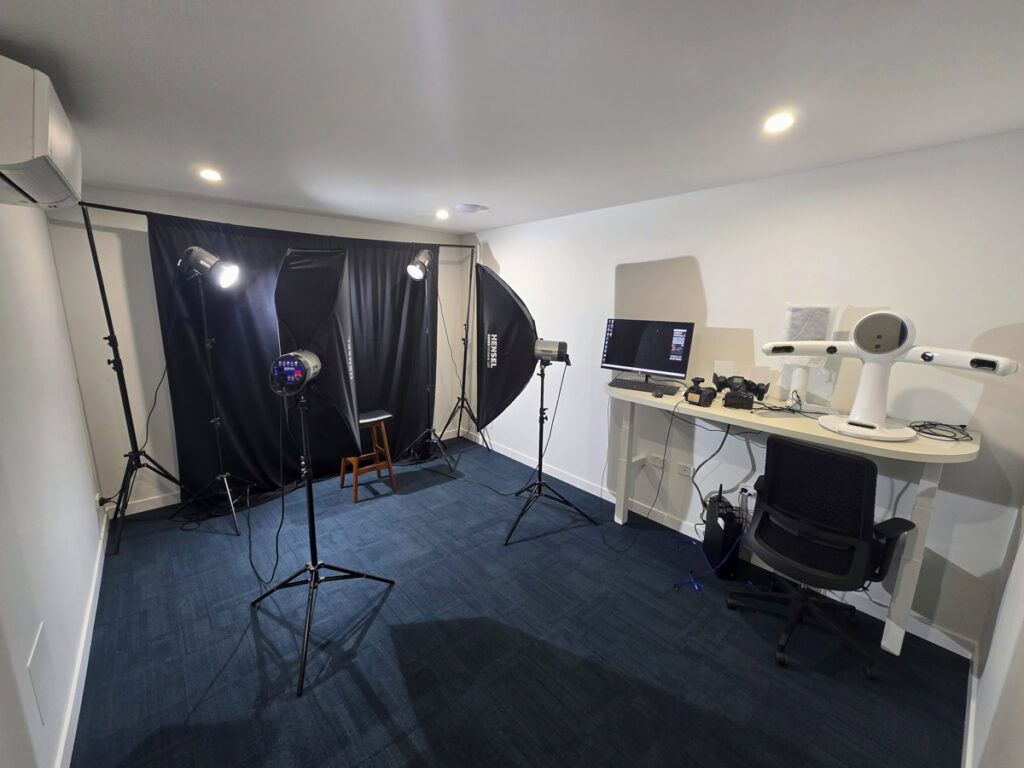
- Digital dentistry. Using intraoral scanners, AI modelling and CAD/CAM technology we’ve removed much of the need to use materials to create physical models.
- Greener travel. Staff who need to drive to work are encouraged to ride share and some have invested in electric vehicles to make the short journey.
- 3D printing. Crowns, implants, bridges and dentures can be made on-site using our 3D printer, so we no longer need to have items transported to us.
- Reusable treatment tools. Our dedicated sterilisation room means we have a fully-equipped area to ensure all our stainless steel treatment tools and reusable tools can be safely cleaned, minimising the amount of single-use waste we produce.
- More recycle bins. Moving to Cliff Street gave us the luxury of more space, including greater space for more recycling options.
Finding an eco-friendly dentist
The shift towards sustainable dentistry is a global, industry-wide movement. While there are some amazing resources available to help a dental practice become greener, location, budget, space, patient and staff safety and industry guidelines make it easier for some dentists to adopt eco-friendly practices than others.
Finding a dentist who shares your views on sustainability would be ideal. But if that’s not an option, then there are steps you can take to help. Maintaining a good at-home oral health routine can mean seeing your dentist less and minimising the chances of needing treatment.
When you’re ready to know more, you may find these articles helpful.
The best foods for healthy teeth and gums